
Alkyl Halides: Nomenclature, Classification, Isomerism, and Important Uses
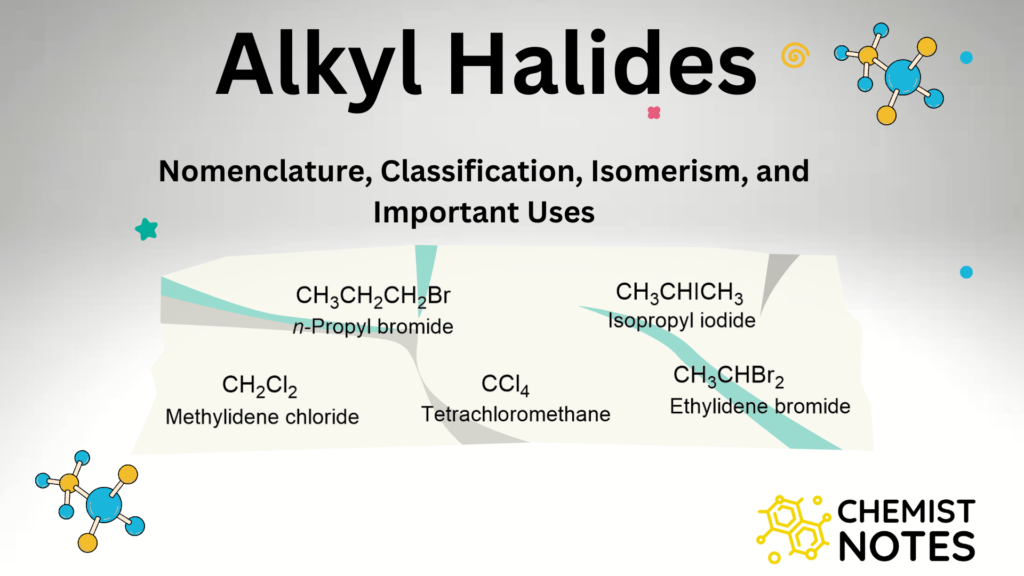
Alkyl halides are compounds obtained by replacing a hydrogen atom in an alkane with a halogen atom (fluorine, chlorine, bromine, or iodine). Alkyl halides are also known as haloalkanes or halogenoalkanes. Depending upon the number of halogen atoms, haloalkanes can be classified into monohaloalkanes, where one hydrogen atom is replaced by one halogen atom, and […]
Lead: Properties, 7 Important Uses, Health Effects and Symptoms
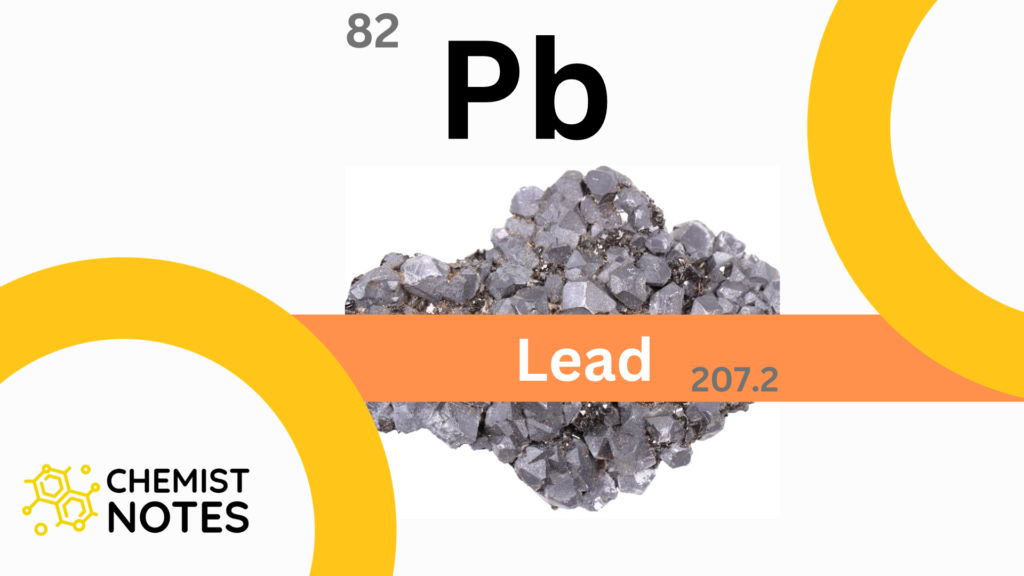
Lead (Pb) belongs to group IVA(14) of the periodic table and is a chemical element that has the atomic number 82. It is a heavy metal with a density greater than that of the most common elements. It is a hazardous metal that is harmful to the environment and human health. Exposure to Pb causes […]
Zinc – Chemistry, Deficiency, Side Effects, and its 4 important Health Benefits
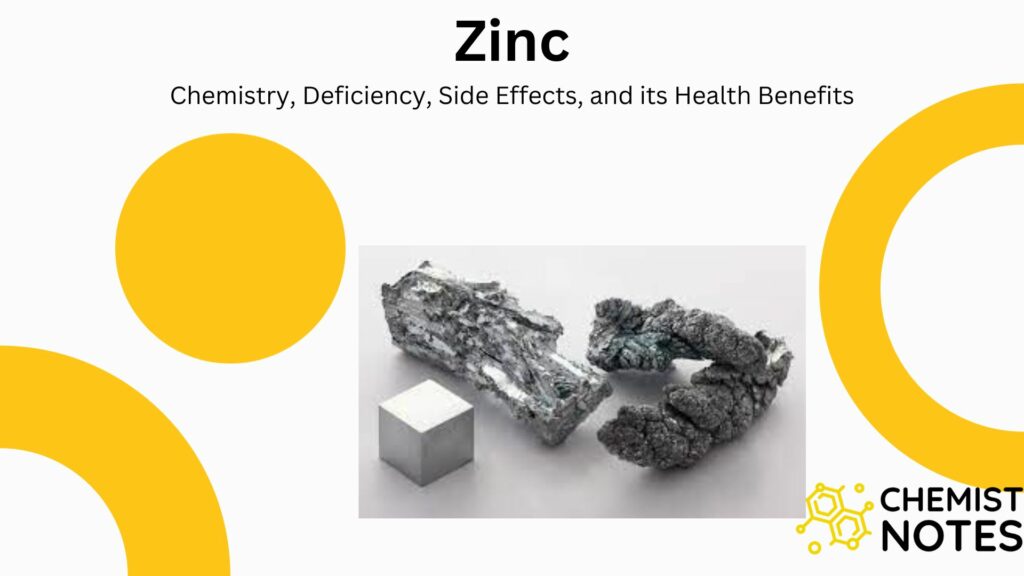
Zinc is an essential trace element with the symbol Zn, which is found naturally in some foods, is added to others, and can be found as a dietary supplement. Our body only requires a tiny amount of zinc, and it is necessary for almost a hundred enzymes to carry out vital chemical reactions. Zn is […]
Pyrrole Disorder: Symptoms, Causes, and Treatment
Pyrrole disorder is a clinical illness that develops when there are too many pyrrole molecules in the body. Pyrrole is a 5-membered heterocyclic, aromatic compound, that contains nitrogen in the ring. What is Pyrrole Disorder? Pyrole disorder, or Pyroluria, was first recognized in the 1950s by Drs. Abram Hoffer, Humphrey Osmond, and Carl Pfeiffer. Pyrrole […]
Pyrrole, Furan, and Thiophene – 5-membered aromatic heterocyclic compounds
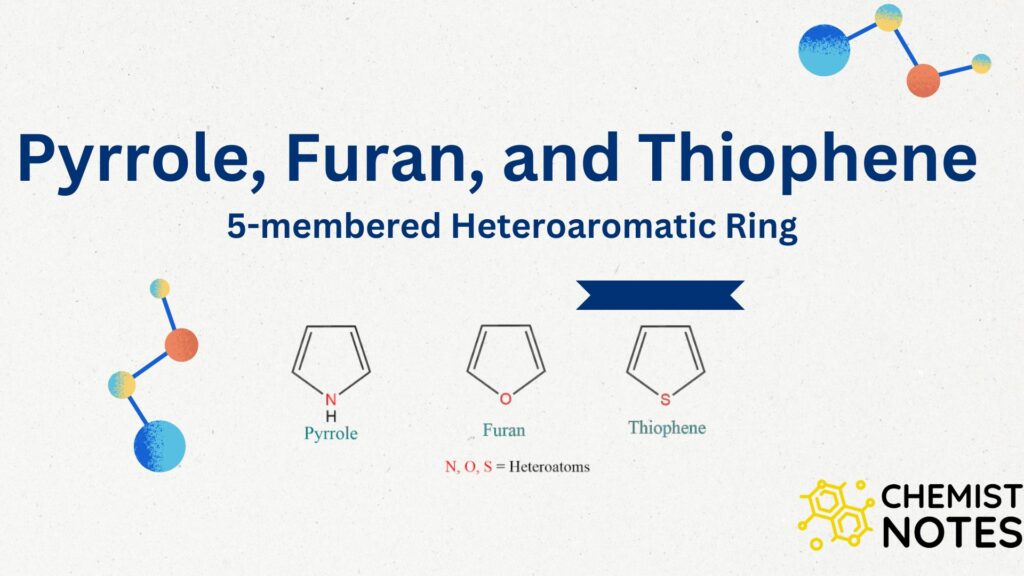
What are 5-membered heterocyclic compounds? Pyrrole, Furan, and Thiophene are the simplest 5-atom, six-π-electron heterocyclic compounds, each of which contains a single heteroatom. Orbital structure of pyrrole The orbitals of carbon and nitrogen in this compound are sp2 hybridized which lie in a plane and are 120o apart. The four carbons and a nitrogen atom […]
Pyridine – 6-membered Heteroaromatic Ring: Detailed Explanation
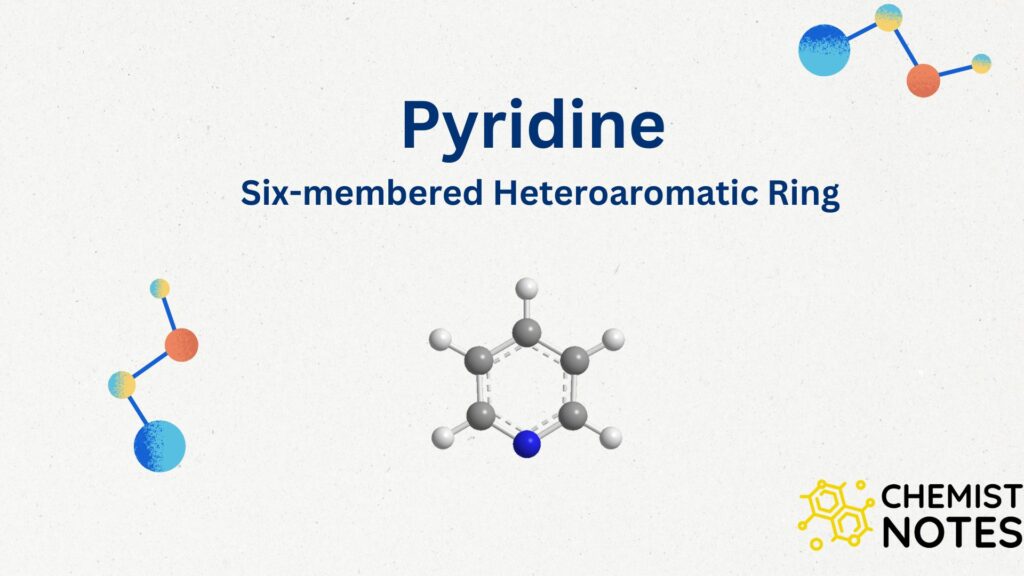
What is Pyridine? Pyridine is one of the six-membered aromatic heterocyclic compounds with the chemical formula C5H5N. It has a similar structure to benzene, in which one methine group is substituted by a nitrogen atom. It is a colorless to yellow liquid that is extremely flammable, mildly alkaline, and water-soluble, with a strong, unpleasant fish-like […]
Heterocyclic Compounds -Definition, Classification, Examples, Nomenclature, and 6 Important Uses
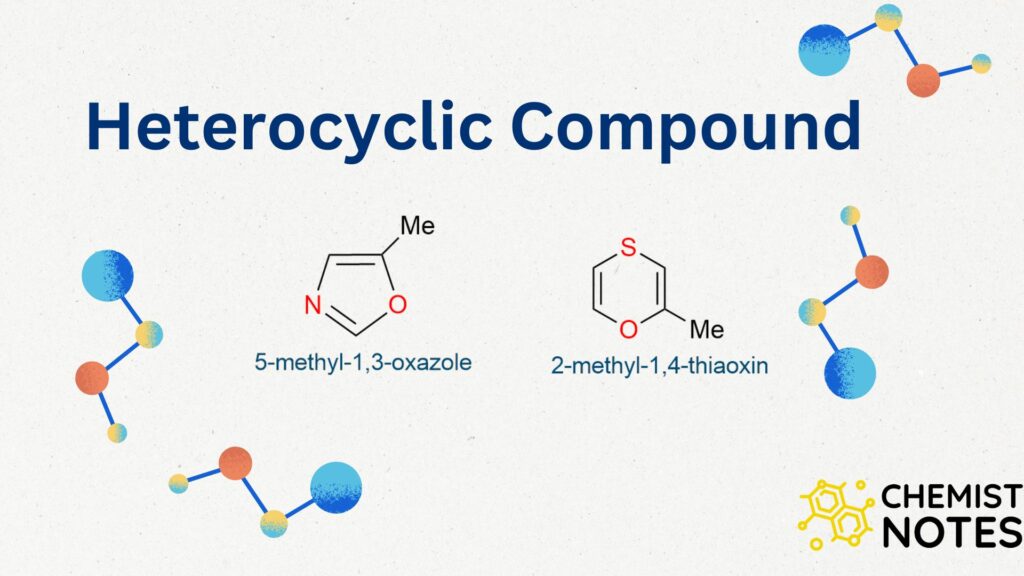
Heterocyclic compounds are cyclic compounds with at least one atom other than carbon in the ring, like N, P, O, S, and so on. Most heterocyclic compounds contain only nitrogen, oxygen, and sulphur as heteroatoms. Five- or six-membered rings of heterocyclic compounds are the most stable. Thus, heterocyclic compounds may also be defined as five- […]
Esters – Definition, Nomenclature, Preparation, Properties, and Important Uses
Esters are derivatives of carboxylic acids in which the -OH group of the carboxylic acid has been replaced by the -OR group (where R may be alkyl or aryl group). These are the most important class of acid derivatives and are widely distributed in nature in plants, fruits, and flowers. Structure of Esters Ester has […]
Functional groups: Detailed explanation
What are function groups? In organic chemistry, functional groups are one of the most reactive parts of organic compounds and determine the major characteristic of compounds. An organic complex has a backbone (skeleton) of carbon-carbon single bonds with different groupings of atoms, known as functional groups, connected at various locations. C=C, C≡C, and polar bonds […]
Carbon cycle – Detailed explanation with Diagram
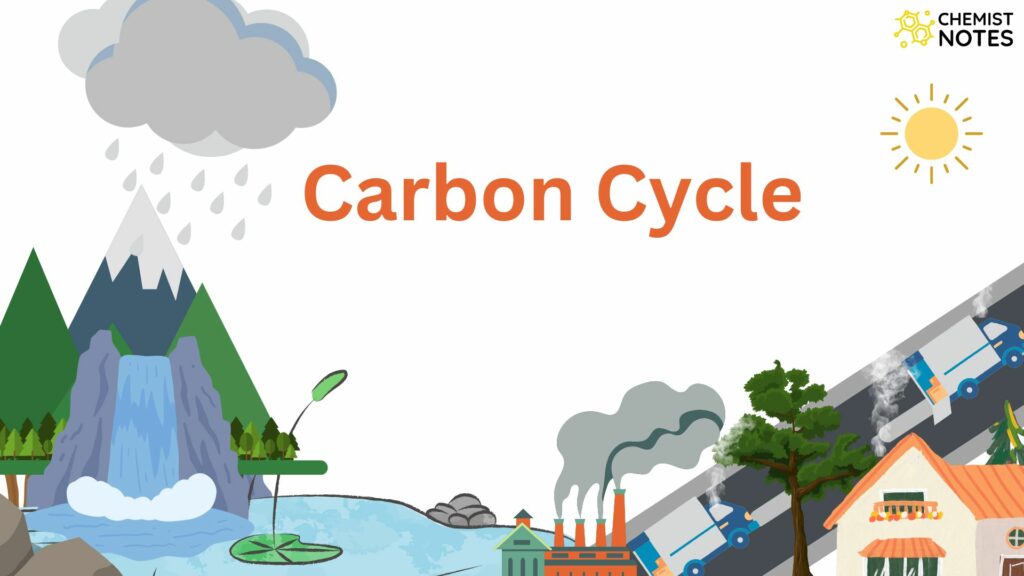
The carbon cycle is a part of the biogeochemical cycle in which carbon in various form continually travel from the atmosphere to the earth and back to the atmosphere. Carbon is the seventeenth most abundant element in the earth’s crust, and totals about 2 × 10¹⁶ tonnes, most of this is in the form of […]
Bioethanol – A Important second-generation Biofuel
Bioethanol is a liquid biofuel generated through ABE fermentation of a variety of raw materials, including maize, soybeans, wheat straw, barley, potatoes, woodchips, and, more recently, algae. The majority of ethanol generated worldwide is from sugarcane, mostly in Brazil. Three stages are involved in the production of bioethanol: Fuel Properties of Ethanol Bioethanol may be used […]
Ethanol – Preparation, Properties, 9 Important Uses and Tests
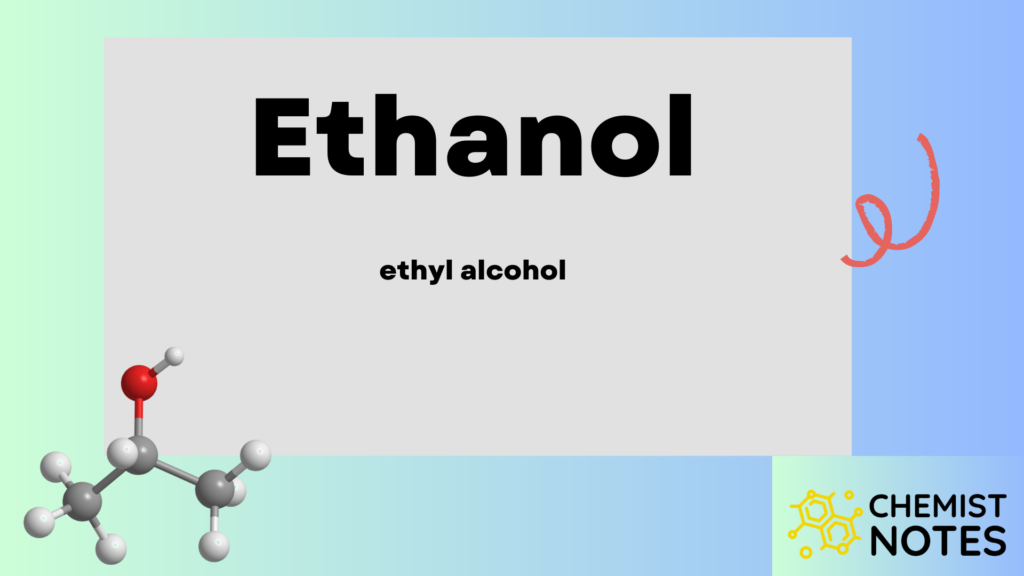
Ethanol also known as ethyl alcohol or grain alcohol is an important organic compound and a primary alcohol with the chemical formula CH3CH2OH. Ethanol is the exhilarating principle of all wines and is thus named the spirit of wines. Technically it is known as grain alcohol since it is often manufactured from starchy grains. It […]